
Introduction
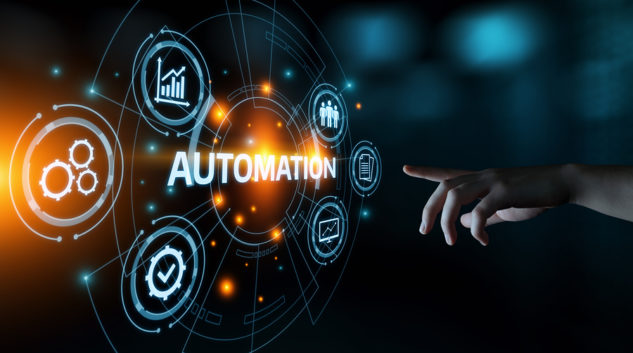
In the digital era, businesses are constantly searching for ways to improve efficiency, reduce operational costs, and deliver better customer experiences. One of the most powerful solutions helping organizations achieve these goals is digital automation.
Digital automation combines technology, software, and intelligent workflows to automate business processes with minimal human intervention. From customer service and marketing to finance and IT operations, automation is transforming how companies operate in a competitive marketplace.
What is Digital Automation?
Digital automation refers to the use of digital technologies to automate repetitive tasks, workflows, and business operations. It helps organizations streamline processes, reduce manual work, and improve productivity.
Digital automation can include:
- Workflow automation
- Business process automation (BPA)
- Robotic Process Automation (RPA)
- AI-powered automation
- Cloud automation
- Marketing automation
The primary goal is to create faster, smarter, and more efficient digital operations.
Benefits of Digital Automation
1. Increased Productivity
Automation reduces the time spent on repetitive tasks, allowing employees to focus on strategic and creative work.
2. Improved Accuracy
Automated systems minimize human errors in data entry, reporting, and workflow management.
3. Cost Reduction
Businesses can lower operational costs by reducing manual labor and improving process efficiency.
4. Better Customer Experience
Automation enables faster response times, personalized communication, and 24/7 customer support through chatbots and digital services.
5. Faster Decision-Making
Automated analytics and reporting tools provide real-time insights that support smarter business decisions.
Applications of Digital Automation
Marketing Automation
Businesses use automation tools to manage:
- Email campaigns
- Social media scheduling
- Lead nurturing
- Customer segmentation
- Performance analytics
Customer Support Automation
AI chatbots and automated ticketing systems improve customer service by handling common queries instantly.
Financial Automation
Organizations automate invoicing, payroll, expense tracking, and financial reporting to improve efficiency and compliance.
IT and Cloud Automation
IT teams automate system monitoring, software updates, backups, and cloud infrastructure management.
HR Automation
Human Resources departments use automation for recruitment, employee onboarding, attendance tracking, and payroll processing.
Technologies Powering Digital Automation
Several advanced technologies are driving digital automation:
- Artificial Intelligence (AI)
- Machine Learning (ML)
- Cloud Computing
- Big Data Analytics
- Internet of Things (IoT)
- Robotic Process Automation (RPA)
These technologies help businesses create intelligent and scalable automation systems.
Challenges of Digital Automation
While digital automation offers many advantages, businesses may face challenges such as:
- High implementation costs
- Employee resistance to change
- Integration with legacy systems
- Data privacy and cybersecurity concerns
- Need for technical expertise
Successful automation requires proper planning, training, and continuous optimization.
The Future of Digital Automation
The future of digital automation is rapidly evolving with AI-driven systems and intelligent workflows. Businesses are moving toward hyperautomation, where multiple technologies work together to automate complex operations.
Future trends include:
- AI-powered decision-making
- Intelligent virtual assistants
- Autonomous business operations
- Predictive analytics automation
- Smart workflow ecosystems
Organizations that adopt digital automation early will gain a significant competitive advantage in the digital economy.
Conclusion
Digital automation is transforming modern businesses by improving efficiency, reducing costs, and enhancing customer experiences. As technology continues to evolve, automation will become an essential part of every industry.
Companies that invest in digital automation today are building a smarter, faster, and more innovative future.